Wireless Inclinometer - List of Manufacturers, Suppliers, Companies and Products

Wireless Inclinometer Product List

1~15 item / All 20 items

Displayed results

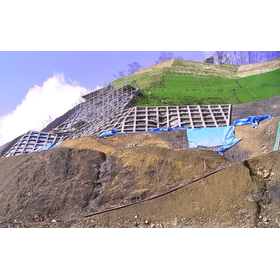
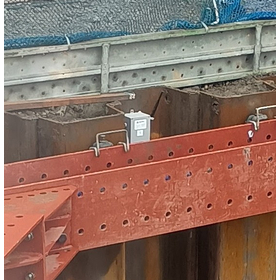
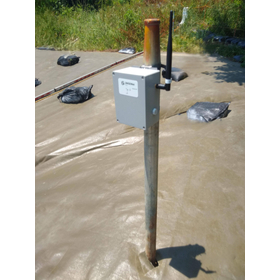
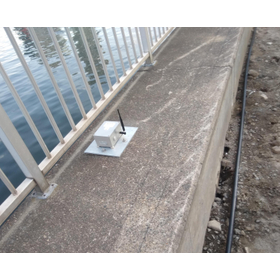
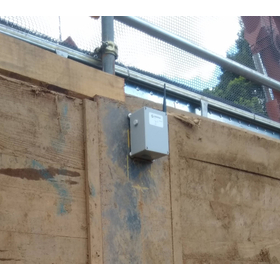
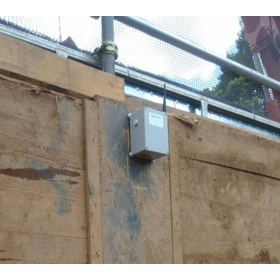
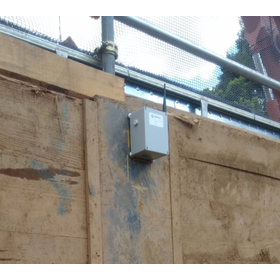
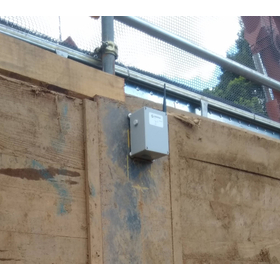
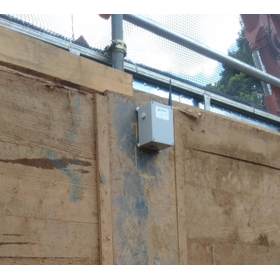
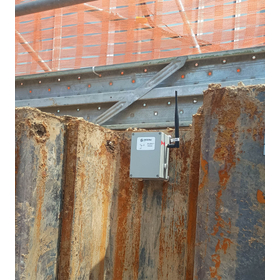
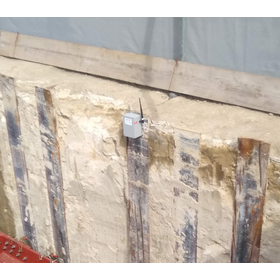
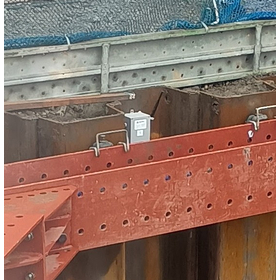
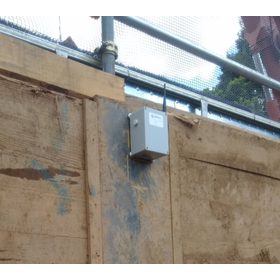
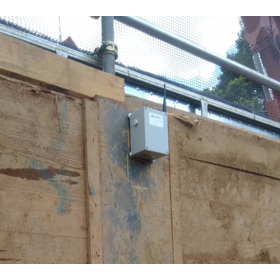
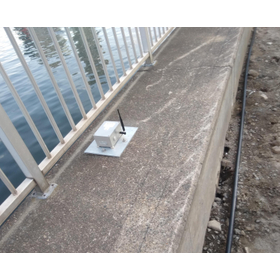
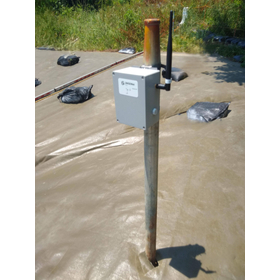
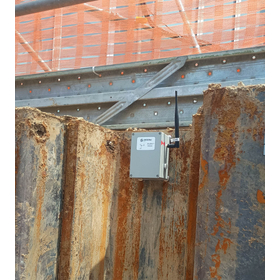
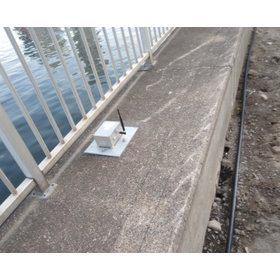
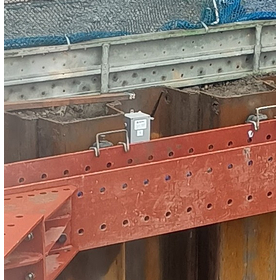
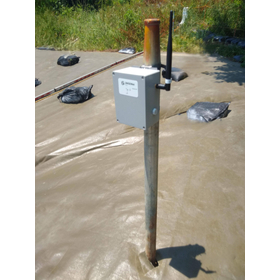
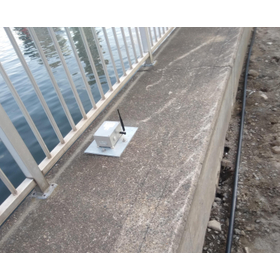
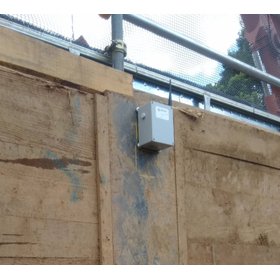
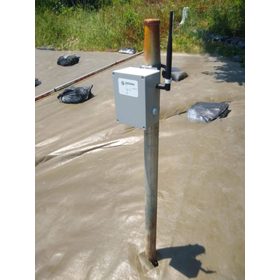
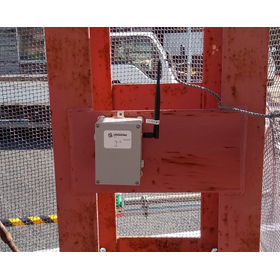
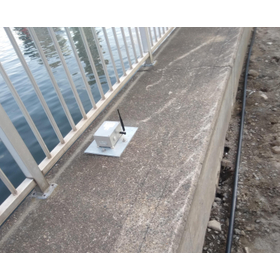
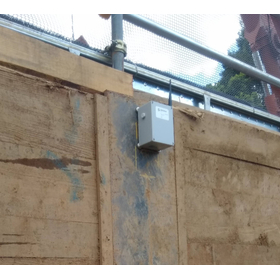
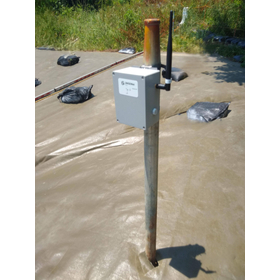
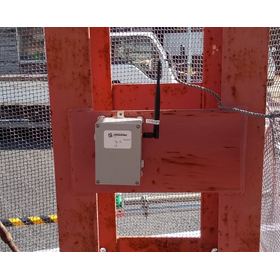
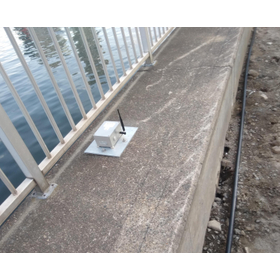
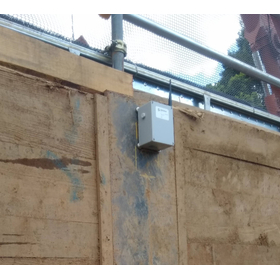
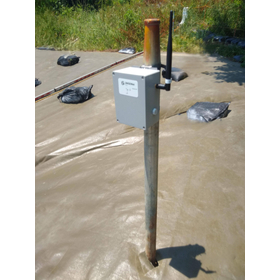
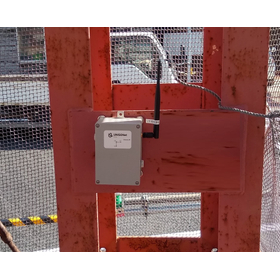
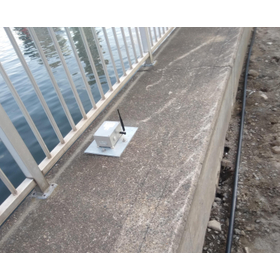
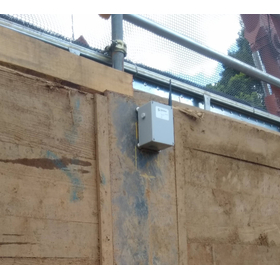
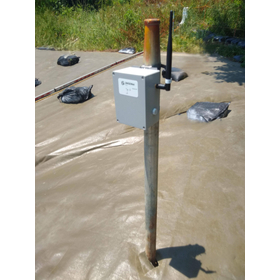
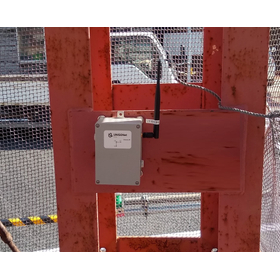
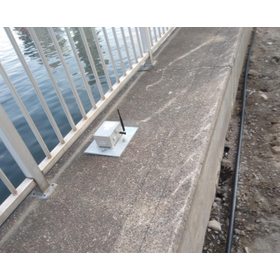
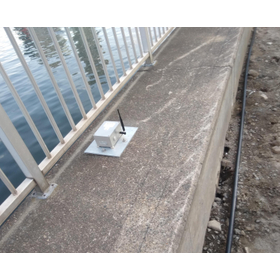
For monitoring and dynamic observation of important structures! Wireless inclinometer (NETIS)

Approximately 1 year of operation on battery power ・ Measurement resolution is 0.001° ・ Remote monitoring is possible underground and in tunnels.

Our "Wireless Tilt Monitoring System" (NETIS Registration Number: KT-230117-A) is a product that can be utilized in various sites such as bridge construction, excavation, earth retention, shaft and thrust construction, embankment, and cutting work. ■ Features - Long-term use with approximately one year of battery operation - Measures a wide area of up to 20 km - High expandability with the capability to connect over 100 sensors ■ Application Examples - Displacement management of earth retention and sheet piles - Tilt monitoring of bridge girders and vents - General dynamic observation ■ Advantages - No need for power installation, making on-site setup easy - Automatically starts measuring, recording, and monitoring with just the flip of a switch - Wireless capability eliminates the hassle of wiring work - Remote operation allows for real-time monitoring and setting changes ■ Expected Effects - Reduction in power installation and setup costs - Labor-saving for measurement tasks and safety management This product is available for sale, rental, and W rental. Please check the PDF materials or contact us for more details.

  • IMG_20240619_164128322.jpg
  • IMG_20230808_102305539.jpg
  • IMG_20240614_111822927.jpg
  • 編集済.jpg
  • Other measuring instruments
Added to bookmarks

Bookmarks list

Bookmark has been removed

Bookmarks list

You can't add any more bookmarks

By registering as a member, you can increase the number of bookmarks you can save and organize them with labels.

Free membership registration

Brochure Giveaway! "Differences in Wireless Inclinometers in Civil Engineering and Construction Sites"

Advantages and disadvantages of wireless methods as seen in wireless inclinometers at construction sites.

Wireless inclinometers are utilized in a wide range of fields such as civil engineering, construction sites, ground monitoring, and bridge condition monitoring, but their characteristics and performance can vary significantly depending on the type of wireless technology used. This booklet provides a detailed explanation of the differences in wireless communication seen in wireless inclinometers, along with the advantages and disadvantages of each. ■ Single-hop type and multi-hop type ■ Self-organizing network type or base station type ■ Characteristics resulting from differences in wireless methods in wireless inclinometers, etc. *For more details, please contact us or download the PDF to view.

  • Other measuring instruments
Added to bookmarks

Bookmarks list

Bookmark has been removed

Bookmarks list

You can't add any more bookmarks

By registering as a member, you can increase the number of bookmarks you can save and organize them with labels.

Free membership registration

Automating the management of displacement measurement for dam construction at low cost.

Measuring and managing the displacement of dam structures with a wireless inclinometer. Reducing costs and promoting on-site digital transformation.

In the dam construction industry, continuous monitoring through displacement measurement is crucial for ensuring the safety of structures. Traditional measurement methods require manual measurements or the introduction of expensive measuring equipment, which poses challenges in terms of cost and effort. Our product addresses these issues by using a wireless inclinometer. 【Application Scenarios】 - Displacement measurement of retaining walls and surrounding structures at dam construction sites - Early detection of ground movement and structural anomalies - Long-term monitoring of structures 【Benefits of Implementation】 - Reduction of personnel in measurement operations - Decrease in measurement costs - Improved safety through early detection of anomalies

  • Other measuring instruments
Added to bookmarks

Bookmarks list

Bookmark has been removed

Bookmarks list

You can't add any more bookmarks

By registering as a member, you can increase the number of bookmarks you can save and organize them with labels.
Free membership registration

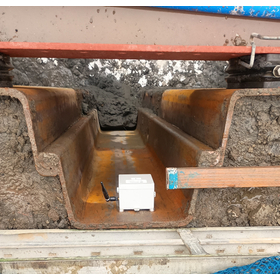
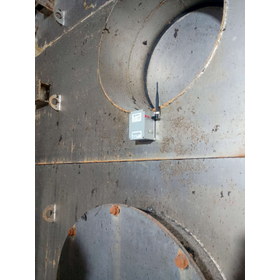
Automating the measurement and management of displacement for retaining walls in harbor construction at low cost.
Wireless inclinometer to streamline measurement and management of ground stability in port construction.

In port construction, the stability of the ground is extremely important. Accurately measuring the displacement of retaining walls and detecting abnormalities early is essential for ensuring safe construction. Traditional measurement methods require manual measurements or the introduction of expensive equipment, making continuous monitoring difficult. Our company's retaining wall displacement measurement system enables low-cost, continuous automatic measurement, recording, and monitoring, with immediate alerts in case of abnormalities. 【Usage Scenarios】 - Displacement measurement of steel sheet piles and parent piles in port construction - Monitoring of ground subsidence and structural tilting - Safety management in land reclamation and revetment work 【Benefits of Implementation】 - Reduction of personnel in measurement operations - Cost reduction of measurement equipment - Rapid response in case of abnormalities - Improvement of construction safety

  • Other measuring instruments

Added to bookmarks

Bookmarks list

Bookmark has been removed

Bookmarks list

You can't add any more bookmarks

By registering as a member, you can increase the number of bookmarks you can save and organize them with labels.

Free membership registration

Low-Cost Automation of Ground Settlement Measurement for Real Estate Development

Measuring the displacement of the retaining wall with a wireless inclinometer to reduce risks.

In real estate development, safety management during construction is crucial for mitigating project risks. In particular, measuring the displacement of retaining walls in excavation work is essential for understanding the impact on surrounding ground and preventing accidents. Traditional measurement methods require manual measurements or the introduction of expensive measuring equipment, which poses challenges in terms of cost and effort. Our system enables low-cost, continuous automatic measurements and provides immediate alerts in case of abnormalities, allowing for rapid response. Installation on-site is also easy and does not require a power supply. This leads to a reduction in manpower for measurement tasks, lower costs for measuring equipment, and reduced costs for installation work. 【Use Cases】 - Displacement measurement of retaining walls in excavation work - Safety management at construction sites - Monitoring the impact on surrounding ground 【Benefits of Implementation】 - Reduction in manpower for measurement tasks - Lower costs for measuring equipment - Rapid response in case of abnormalities - Mitigation of risks in construction projects

  • Other measuring instruments

Added to bookmarks

Bookmarks list

Bookmark has been removed

Bookmarks list

You can't add any more bookmarks

By registering as a member, you can increase the number of bookmarks you can save and organize them with labels.

Free membership registration

Automating displacement measurement management for road construction at low cost.

Measure and manage road surface deformation with a wireless inclinometer, reducing costs and effort.

In the field of road construction, early detection and countermeasures for pavement deformation are crucial. Pavements can deform due to various factors such as temperature changes, vehicle traffic, and ground fluctuations, which can compromise the safety and durability of the road. Traditional measurement methods require manual measurements, making continuous monitoring difficult. Additionally, the introduction and management of expensive measuring equipment have also been burdensome. Our company's displacement measurement system for retaining walls utilizes wireless inclinometers to enable low-cost, continuous automatic measurement, recording, and monitoring of pavement deformation. In the event of abnormalities, it provides immediate alerts to support rapid responses. 【Application Scenarios】 - Monitoring pavement deformation at road construction sites - Early detection of ground subsidence or uplift - Monitoring displacement of structures such as bridges and tunnels 【Benefits of Implementation】 - Early detection of pavement deformation and rapid response - Reduction in manpower for measurement tasks - Lower costs for measuring equipment - Reduced costs for installation work

  • Other measuring instruments

Added to bookmarks

Bookmarks list

Bookmark has been removed

Bookmarks list

You can't add any more bookmarks

By registering as a member, you can increase the number of bookmarks you can save and organize them with labels.

Free membership registration

Automating the measurement and management of displacement for retaining walls in railway construction at low cost.

Measuring and managing track deformation with a wireless inclinometer. Reducing costs and promoting on-site digital transformation.

In railway construction, track deformation is a significant issue that threatens safe operations. It is essential to detect distortions in the tracks caused by ground movement and changes in structures at an early stage and to implement appropriate measures. Traditional measurement methods require manual measurements or the introduction of expensive measuring equipment, making continuous monitoring difficult. Our system enables low-cost, continuous automatic measurement, recording, and monitoring, and provides immediate alerts in case of abnormalities. 【Usage Scenarios】 - Monitoring ground movement around the tracks - Monitoring structural displacements of bridges and tunnels - Monitoring the impact on tracks during construction 【Benefits of Implementation】 - Reduction of manpower in measurement operations - Lower costs for measuring equipment - Rapid response in case of abnormalities

  • Other measuring instruments

Added to bookmarks

Bookmarks list

Bookmark has been removed

Bookmarks list

You can't add any more bookmarks

By registering as a member, you can increase the number of bookmarks you can save and organize them with labels.

Free membership registration

Differences in Wireless Inclinometers for Construction Sites

Explaining the differences of wireless inclinometers useful for safety management at construction sites.

In the construction industry, it is important to accurately grasp the tilt of structures and ground fluctuations for safety management. Wireless inclinometers collect this information in real-time, enabling rapid responses. However, differences in wireless methods result in variations in communication range, accuracy, and power consumption, necessitating suitable choices based on site conditions. This booklet provides a detailed explanation of the differences in wireless communication for wireless inclinometers, along with the advantages and disadvantages of each. 【Usage Scenarios】 - Monitoring the tilt of structures at construction sites - Ground monitoring - Monitoring the condition of bridges 【Benefits of Implementation】 - Rapid anomaly detection through real-time data collection - Strengthened safety management - Cost reduction

  • Other measuring instruments

Added to bookmarks

Bookmarks list

Bookmark has been removed

Bookmarks list

You can't add any more bookmarks

By registering as a member, you can increase the number of bookmarks you can save and organize them with labels.

Free membership registration

Differences in Wireless Inclinometers for Bridges

Explaining the differences of wireless inclinometers useful for monitoring bridge displacements.

In bridge displacement monitoring, accurate data acquisition is essential for ensuring the safety of structures. Wireless inclinometers are widely used for this monitoring, but their performance and reliability can vary significantly depending on the wireless method employed. This booklet explains the differences in wireless methods for wireless inclinometers, along with their respective advantages and disadvantages, to assist in making the optimal choice. 【Application Scenarios】 - Monitoring bridge behavior - Monitoring ground movement - Evaluating the safety of structures 【Benefits of Implementation】 - Early detection of anomalies in bridges - Reduction of maintenance costs - Extension of the lifespan of structures

  • Other measuring instruments

Added to bookmarks

Bookmarks list

Bookmark has been removed

Bookmarks list

You can't add any more bookmarks

By registering as a member, you can increase the number of bookmarks you can save and organize them with labels.

Free membership registration

Differences in Wireless Inclinometers for Dams

Explaining the differences of wireless inclinometers that assist in monitoring the structural integrity of dams.

In monitoring the structural integrity of dams, obtaining accurate tilt data is essential. To detect displacements and anomalies in a timely manner and ensure safety, selecting a highly reliable inclinometer is crucial. Wireless inclinometers are less affected by installation site constraints and are suitable for extensive monitoring; however, the differences in wireless communication methods can significantly impact data acquisition accuracy and communication stability. This booklet provides a detailed explanation of the differences in wireless communication and the respective advantages and disadvantages to help choose the most suitable wireless inclinometer for monitoring the structural integrity of dams. 【Usage Scenarios】 - Monitoring the tilt of dam embankments - Monitoring ground movement in surrounding slopes - Investigating the impact on structures around the dam 【Benefits of Implementation】 - Strengthening dam safety management - Preventing accidents through early detection of anomalies - Establishing an efficient monitoring system

  • Other measuring instruments

Added to bookmarks

Bookmarks list

Bookmark has been removed

Bookmarks list

You can't add any more bookmarks

By registering as a member, you can increase the number of bookmarks you can save and organize them with labels.

Free membership registration

Differences in Wireless Inclinometers for Railways

Explaining the advantages and disadvantages of wireless inclinometers in railway maintenance.

In the railway industry, accurate slope measurement of tracks is essential for track maintenance. Even a slight tilt of the tracks can hinder the safe operation of trains and increase the risk of derailment accidents. Wireless inclinometers are crucial for real-time monitoring of track inclinations and for early detection of abnormalities. This booklet provides a detailed explanation of the differences in wireless communication as seen in wireless inclinometers, along with their respective advantages and disadvantages. 【Usage Scenarios】 - Measurement of track slope - Monitoring of bridge inclinations - Monitoring of tunnel displacements 【Effects of Implementation】 - Improved safety of tracks - Increased efficiency of maintenance work - Reduced risk of accidents

  • Other measuring instruments

Added to bookmarks

Bookmarks list

Bookmark has been removed

Bookmarks list

You can't add any more bookmarks

By registering as a member, you can increase the number of bookmarks you can save and organize them with labels.

Free membership registration

Differences in Wireless Inclinometers for Wind Power Generation

What are the differences in wireless inclinometers that are useful for monitoring the basic tilt of wind power generation?

In the wind power generation industry, accurately understanding the tilt of the foundation is crucial for the stable operation of wind turbines. Tilts caused by strong winds or ground changes can lead to decreased performance or accidents. Wireless inclinometers are essential for safe operation as they allow for remote monitoring of the foundation's tilt. This booklet explains the differences in wireless methods used in wireless inclinometers, along with their respective advantages and disadvantages. 【Usage Scenarios】 - Monitoring foundation tilt at wind power plants - Monitoring ground movement - Confirming tilt after wind turbine installation 【Benefits of Implementation】 - Improved safety through remote tilt monitoring - Reduced accident risk through early detection of anomalies - Lower maintenance costs

  • Other measuring instruments

Added to bookmarks

Bookmarks list

Bookmark has been removed

Bookmarks list

You can't add any more bookmarks

By registering as a member, you can increase the number of bookmarks you can save and organize them with labels.

Free membership registration

For monitoring and measurement management of elevated construction! Wireless inclinometer (NETIS)

Approximately 1 year of operation on battery; measurement range up to 20 km; measurement resolution is 0.001°.

We would like to introduce our "Wireless Inclination Monitoring System" (NETIS registration number: KT-230117-A). This product is active in various locations such as bridge construction and repair, excavation work, earth retention work, shaft and thrust construction, and embankment work. ■ Features - Operates on batteries for about one year - Measurement range up to 20 km - Can connect to over 100 sensors ■ Applications - Dynamic observation - Displacement measurement of earth retention and sheet piles - Inclination monitoring of bridge girders and vents ■ Highlights - No power supply needed on-site - Just install and turn on the switch to automatically start measurement, recording, and monitoring - Wireless, eliminating complicated wiring work - Real-time monitoring, initial position setting, and various setting changes can be done remotely ■ Benefits - Reduces costs for power supply work - Lowers installation costs for equipment - Reduces the hassle of manual measurement, recording, and monitoring This system is available for sale, rental, and W rental. *For more details, please refer to the PDF document or feel free to contact us.

  • 編集済.jpg
  • Other measuring instruments

Added to bookmarks

Bookmarks list

Bookmark has been removed

Bookmarks list

You can't add any more bookmarks

By registering as a member, you can increase the number of bookmarks you can save and organize them with labels.

Free membership registration

Low-Cost Automation of Displacement Measurement for Construction Sites

Measuring and managing the displacement of retaining walls with a wireless inclinometer. Promoting on-site digital transformation (DX).

In the construction industry, measuring the displacement of retaining walls is extremely important for safety management. Traditional measurement methods require manual measurements or the introduction of expensive equipment, making continuous monitoring difficult. In particular, the displacement of parent piles and steel sheet piles is easily affected by changes in ground conditions and surrounding environments, necessitating rapid responses. Our product enables low-cost, continuous automatic measurement and provides immediate alerts in case of abnormalities, thereby enhancing safety management. 【Usage Scenarios】 - Measuring the displacement of parent piles and steel sheet piles in retaining wall construction - Monitoring the displacement of retaining walls - Safety management at construction sites 【Benefits of Implementation】 - Reduction of manpower in measurement operations - Lower costs of measurement equipment - Cost reduction in implementation projects

  • Other measuring instruments

Added to bookmarks

Bookmarks list

Bookmark has been removed

Bookmarks list

You can't add any more bookmarks

By registering as a member, you can increase the number of bookmarks you can save and organize them with labels.

Free membership registration

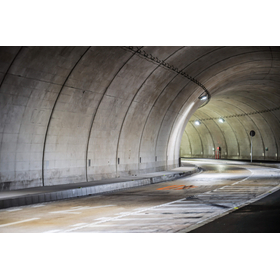
Differences in Wireless Inclinometers for Tunnels

How to Choose a Wireless Inclinometer that Contributes to Ground Stability in Tunnel Construction

In tunnel construction, it is essential to accurately grasp ground movements to ensure the stability of excavations and subsequent structures. Even slight fluctuations in the ground can lead to construction delays or accidents, necessitating high-precision measurements. Wireless inclinometers enable real-time data collection for monitoring ground stability in tunnels, supporting rapid responses. This booklet provides a detailed explanation of the differences in wireless methods used in wireless inclinometers, along with their respective advantages and disadvantages. 【Application Scenarios】 - Monitoring ground displacement during tunnel excavation work - Monitoring cracks and deformations in tunnel lining concrete - Early detection of ground subsidence and uplift 【Benefits of Implementation】 - Early detection of risks associated with ground movement to prevent accidents - Rapid decision-making through real-time visualization of measurement data - Contribution to improved safety in construction and shortened project timelines

  • Other measuring instruments

Added to bookmarks

Bookmarks list

Bookmark has been removed

Bookmarks list

You can't add any more bookmarks

By registering as a member, you can increase the number of bookmarks you can save and organize them with labels.

Free membership registration